Open post When Should I Look Into Total Hip Replacement For My Dog or Cat

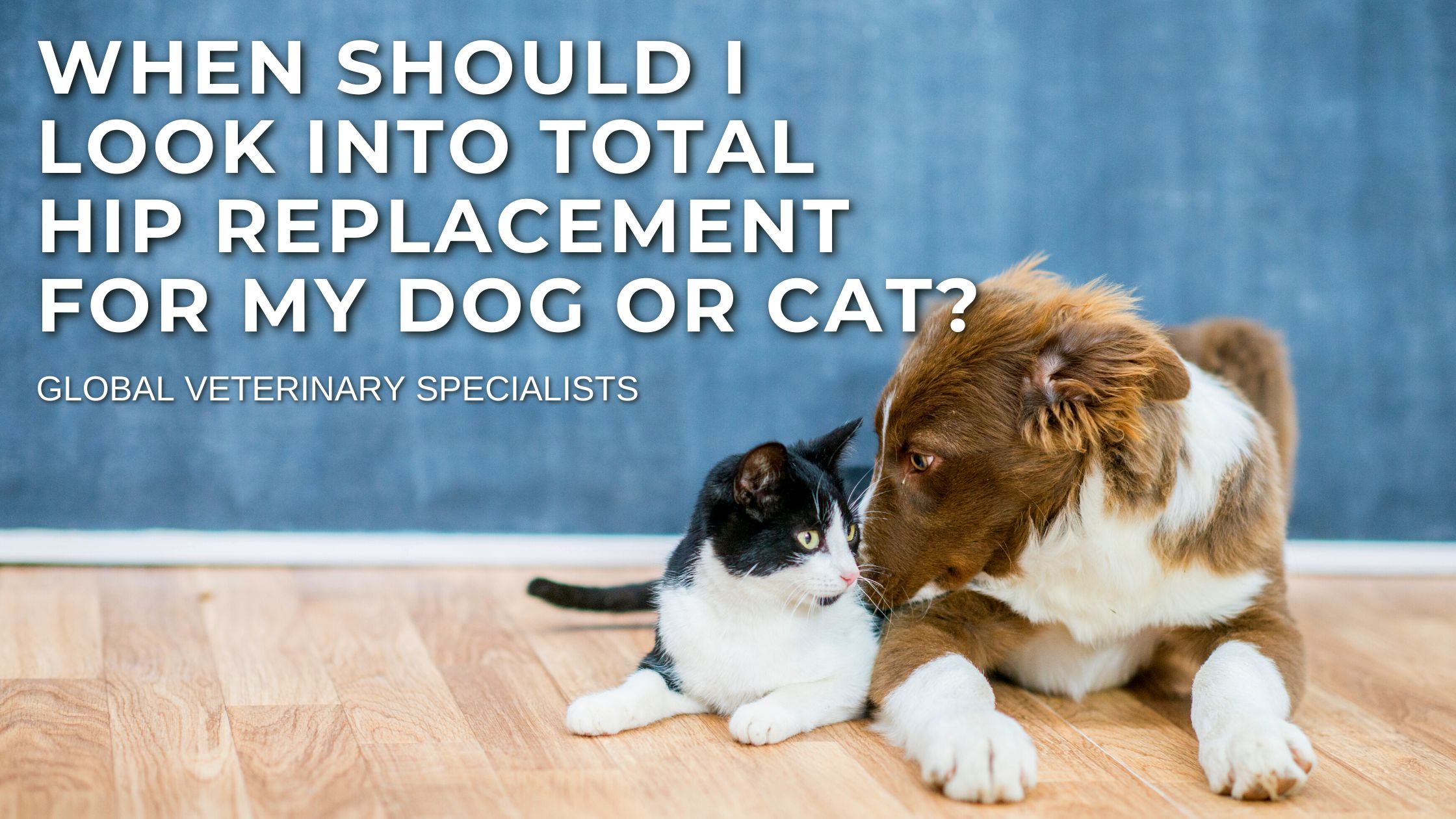
When Should I Look Into Total Hip Replacement For My Dog or Cat?

If you have any concerns about your companion having hip problems; ask a veterinary surgeon when you should start considering Total Hip Replacement (THR)surgery for your fur baby, the sooner you get started – the better! 

Hip dysplasia is a condition that is characterized by abnormal joint laxity in which the head of the femur does not fit tightly within the acetabulum – often present with hind limb lameness and pain. These and other common symptoms that may show up have the ability to restrict your pet’s ability to move easily, reducing their quality of life over time. 

Of course, the timing of surgical intervention is subjective and case by case scenario; but as a rule of thumb, THR should be strongly considered once medications are required to start controlling pain for a long period of time, about a month or more. 

THR is the optimum way to restore a pain free hip joint with normal biomechanical function for the life of your dog or cat. After recovery, your dog can resume a healthy and happy life, of course, this recovery time can depend on the severity of the condition and your pet’s age. 

Description of a Total Hip Replacement

In a Total Hip Replacement procedure, a veterinary orthopedic surgeon replaces the arthritic or traumatized hip joint with prosthetic components; the femoral stem, femoral head, and acetabulum cup. The implants are made of either titanium or cobalt-chrome stainless steel and ultra-high molecular weight polyethylene.

The veterinary surgeon will determine the appropriate method, cemented or cementless, for your companion during the examination. A cemented implant uses bone cement and the on-growth of bone, whereas, cementless technology utilizes precise initial implantation and in-growth of bone.

The procedure is highly successful for both dogs and cats between 3.5 and 180 pounds and any age once skeletal maturity is reached. The latter typically occurs between nine and ten months of age. It is an excellent way to re-establish normal function for dogs and cats with hip dysplasia and other forms of advanced osteoarthritis.

Schedule a Veterinary Appointment Today

Global Veterinary Specialists recognizes that dogs and cats encounter orthopedic injuries, disabling difficulties, and diseases that can affect their life. Each GVS surgeon has more than twenty years of experience handling the most complex problems that may arise in your felines and canines. We are teachers, mentors, inventors, clinical researchers, and surgeons driven to achieve excellence for every animal. Contact us today to learn how we help restore your four-legged family member’s quality of life.
Open post Helpful Tips On How To Care For Your Pet After Hip Surgery

Helpful Tips On How To Care For Your Pet After Hip Surgery

Dogs and Cats with moderate to severe Hip Dysplasia need hip surgery in order to help restore their mobility. In these cases, a Total Hip Replacement (THR) is an effective choice; this surgery may also be considered an option when the cost of pain management has become restrictive. 

The procedure entails removing the femoral stem, femoral head, and acetabulum. After removal, they are replaced with prosthetic components that are composed of either titanium or cobalt-chrome stainless steel and ultra-high molecular weight polyurethane.

If your pet is between 3.5 and 180 pounds, then THR is an optimal treatment option, as long as they have reached skeletal maturity. Surgeries like this allow your dog or cat to resume a healthy, happy, and normal life.

Recovery and Healing

One of the most vital parts you play as the parent of a pet who has just gone through surgery is their aftercare. Ensuring your pet’s comfort and safety are of utmost importance during recovery time; during this time, choose a space within your home that has exceptional traction for your pet to recuperate safely. 

When taking your pet outdoors, they must be on a leash for 5-6 weeks, a walking assist sling will be provided for you. Initially, walking should be kept to a minimum and progressively stretch out into longer periods of walking to gently exercise their body. 

During the first few weeks of recovery, make sure your pet is not running, playing, jumping around or climbing up and down stairs. A follow-up appointment with x-rays will be scheduled following this recuperative period, as soon as possible. A customized rehabilitation program, which includes two to three daily walks, will then begin. That program is specially developed for each dog with time, duration, and distance parameters established for each day.

Your dog is usually allowed to resume regular activity within thirty days after the follow-up radiographs. That is within about ten weeks post-surgery.

For more information on what you can expect following hip surgery for dogs, please click here.

Schedule an Appointment Today

Global Veterinary Specialists recognize that dogs and cats encounter orthopedic injuries, disabling difficulties, and diseases that can affect their lives.

Each GVS surgeon has more than twenty years’ experience handling the most complex problems that may arise in your pets. We are teachers, mentors, inventors, clinical researchers, and surgeons driven to achieve excellence for every animal.

Please contact us today to learn how we can help restore your four-legged family member’s quality of life.

Scroll to top